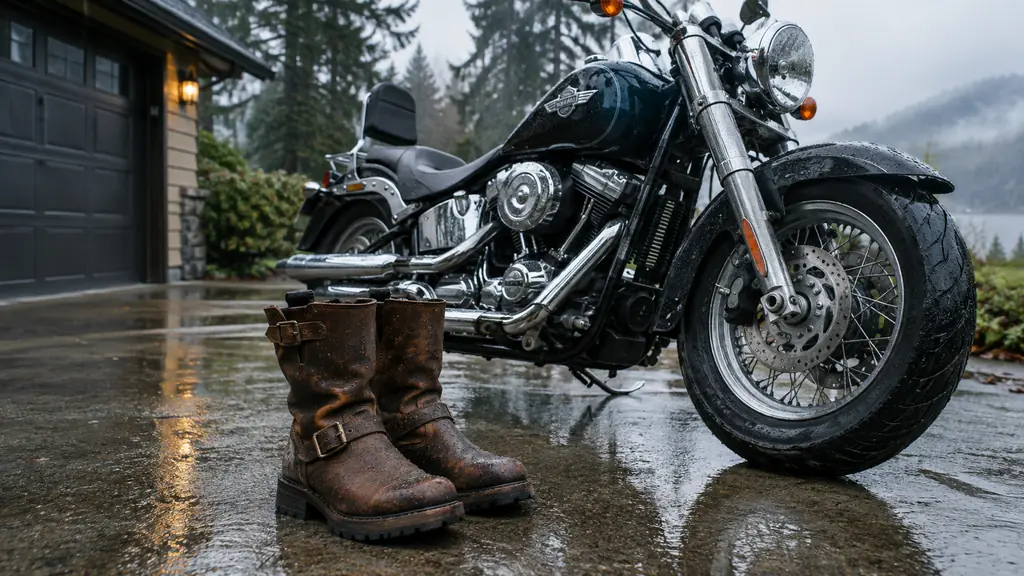
I have owned my Harley-Davidson Road King for about nine years, and in that time I have gone through more pairs of boots than I like to admit. Some leaked in the first real rain. Some felt great in the store and went soft after a season. A couple looked the part but had soles like dress shoes when I put my feet down on wet pavement. So when I picked up a pair of Harley-Davidson Altman boots, I did not expect much different. I was wrong, but not in the way you might think.
The honest version is this: the Altman is a genuinely good motorcycle boot, and it is also a boot with real compromises. It needs a serious break-in. It runs warm. It is heavy. If you read only the five-star reviews, you will miss all of that and think you bought the wrong size. This review covers the things nobody tells you before you order, from a rider who has worn these through a Pacific Northwest winter, a summer trip, and a lot of Saturday morning soccer games.
The Quick Verdict
A tough, waterproof, composite-toe boot that lasts for years once you survive the break-in. Best for cold and wet rides. Too warm and heavy for hot summer days.
Amazon Check Today's Price →Wet miles ahead? This boot is ready for them.
The Harley-Davidson Altman handles rain, cold mornings and long days on the pegs. See today's price and current sizing on Amazon.
Amazon Check Today's Price on Amazon →How I've Used It
I wear these boots for everything I do on two wheels. That means weekend rides around the Puget Sound area, evening loops after work when the weather cooperates, one longer trip every summer, and the short ride to the soccer fields on Saturday mornings when I referee youth games. Deb rides on the back for some of those trips, and I am usually the one who has to put a foot down at every stop sign, so grip and ankle support matter to me more than they might to a rider who never leaves the highway.
My Road King is a big, heavy motorcycle. When you are holding up that much weight at a stoplight, the boot underneath you is doing real work. I have had boots that folded over at the ankle when I leaned, boots that soaked through in the first twenty minutes of rain, and one pair that squeaked so badly I could hear it over the engine. The Altman has not done any of that. But it has not been perfect either, and pretending otherwise would not help you decide.
The weather here does not give you a choice about gear. You ride in the rain or you do not ride. I chose to ride, which means I have tested the waterproofing in genuine downpours, tested the grip on slick painted lines, and tested the break-in on cold mornings when my feet were already stiff. Those are the conditions this review is based on.
Last summer I took these on the long trip I do every year, six days of riding with a mix of interstate, mountain passes and one day of rain that started at noon and never let up. The boots were the one part of my gear I never thought about. That is the highest compliment I can give any piece of riding gear.
What Nobody Tells You About the Break-In
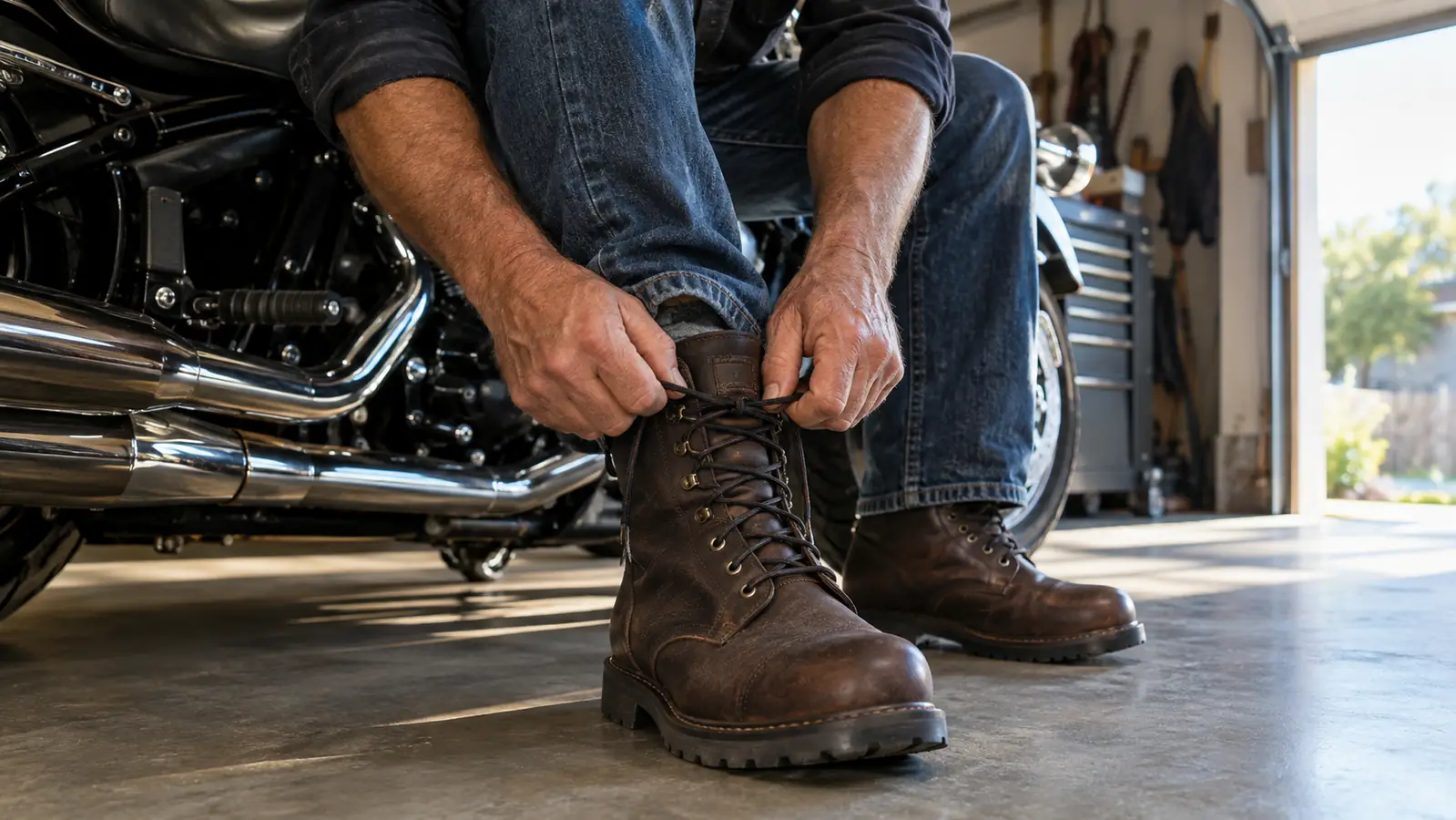
Here is the first thing the listing does not tell you: these boots hurt for a while. The leather is thick and the shaft is stiff, and for the first two weeks mine felt like wearing two cast iron pipes around my ankles. I made the mistake of taking them on a long ride in the first week. By the time I got home, the tops of my feet were sore and the backs of my ankles were rubbed raw in two spots. That is not a defect in the boot. It is the cost of leather that will hold its shape for years. But you need to know it is coming.
The break-in process is simple, just slow. I wore them around the house for an hour at a time. I wore them on short rides. I stopped lacing them all the way tight for the first few outings. After about six weeks of steady use, the leather finally gave in where it needed to, and now they fit like they were molded to my feet. If you are the kind of rider who expects a boot to feel perfect on day one, plan for a month of patience instead.
One thing that helped: wear the socks you will actually ride in, not thin dress socks. The extra padding at the ankle changed the whole fit for me. And do not rush the lacing. The Altman has plenty of eyelets, and taking the time to snug them evenly makes a bigger difference than any insole could.
The break-in is also why some of the negative reviews on this boot exist. A rider tries them once, feels the stiffness, and decides the boot is poorly made. I understand the reaction. But a stiff boot that breaks in over weeks is different from a soft boot that is comfortable on day one and floppy by the end of the season. I have owned both kinds. I know which one I trust on a wet road.
Grip on Wet Pavement and Painted Lines
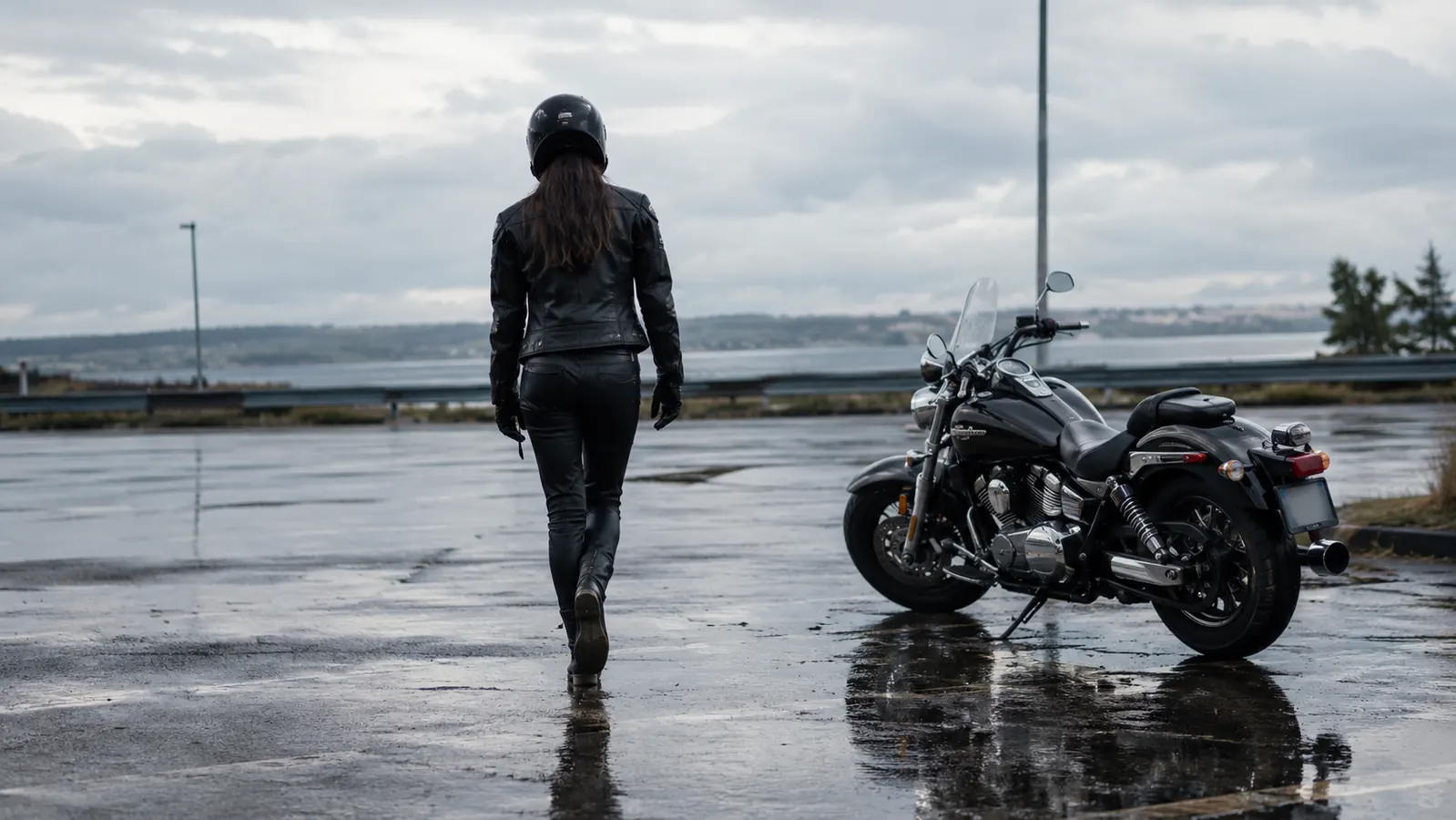
The outsole is where a motorcycle boot earns its keep, and this is the area where the Altman surprised me most. I have put my foot down on wet asphalt, on painted crosswalk lines, on the smooth concrete of a gas station apron, and on the gravel edge of a parking lot. The boot has gripped every one of them. That sounds like a small thing until you have watched a rider in slick-soled boots try to hold up a heavy cruiser in the rain.
The tread is fairly deep and the rubber is on the firm side, which is good on the pegs and good on pavement. The tradeoff is that the soles are not ideal for long walks on wet grass or muddy trails. These are road boots. On the pegs they are planted, and off the pegs they are stable on anything hard and dry or just wet.
I also like that the heel is not exaggerated. Some motorcycle boots have a heel that catches on the peg when you shift. The Altman sits flat enough that I have never missed a shift because of the boot, and that includes cold mornings when my foot is not as precise as it is in July.
One more note on grip: I have tested these on the metal grates of a bridge deck during a light rain. That is about the worst surface a motorcycle boot can meet. The Altman did not feel like a dress shoe on ice the way some boots do. I would not call any boot safe on wet metal, but these gave me enough confidence to keep my feet down and ride through.
Comfort on the Bike and Off It
Here is what the marketing photos do not show: you will walk in these boots. Gas stops. Lunch stops. The walk from the parking lot to the soccer field. If a boot only works while your feet are on the pegs, it is not a real riding boot for the way most of us actually ride. The Altman walks better than I expected for something this heavy. The sole is stiff, so it is not a walking shoe, but the arch support is solid and the toe box gives my toes room to move.
The composite toe is worth talking about honestly. It protects without the cold problem of a steel toe, which matters on 40-degree mornings. But it also means the front of the boot is roomier than a dress boot, and it takes a little getting used to when you are shifting. I adjusted within a few rides. I would rather have the protection and the room than a slim profile that leaves my toes cramped on a long day.
Warmth is the real comfort story, and it cuts both ways. These boots are warm in the winter, genuinely warm, which is exactly what I want in February. In July, they are too warm. There is no way around it. The same waterproof membrane and thick leather that keep the rain out also keep the heat in, and after a long summer ride my feet are hot. If most of your riding happens in warm weather, this is the compromise to weigh before you buy.
The other part of off-bike comfort is the ankle. The shaft is tall enough to protect you, but it does not dig into the front of your shin when you walk. I have had boots with a stiff top edge that bruised my shin on long walks. The Altman has a padded top collar that sits where it should. Small detail, big difference over a long day.
Sizing, Waterproofing and the Details That Matter
Sizing is the thing I get asked about most, and the honest answer is that these run a little large. I wear a 10.5 in most shoes and a 10 in these boots. If you are between sizes, go down, especially if you plan to wear a thinner sock in summer. The composite toe means there is more room up front than you expect, and a boot that is too long will let your foot slide forward when you brake.
The waterproofing is the real deal. I have stood in rain that would soak a lesser boot in minutes, and my socks stayed dry. The membrane is the whole reason I kept these through the break-in. But waterproof also means less breathable, and I already told you what that means in summer. You cannot have both in a boot at this weight, and the Altman chooses dry over cool.
The hardware has held up better than I expected. The laces are thick, the eyelets have not pulled, and the stitching has not failed anywhere after a full season of use. The leather scuffs, as leather should, and a little saddle soap brings it back. I am not easy on gear, and these have taken everything I have thrown at them.
Maintenance is simple. I wipe the leather down after wet rides, let them dry away from direct heat, and give them a coat of conditioner a few times a year. That is it. The waterproofing has not faded, and the leather has not cracked at the flex points, which is where cheap boots die.
The Downside Nobody Mentions
Let me be direct about the things that would make me hesitate. The break-in is long. The boots are heavy, and you feel the weight when you are walking, not when you are riding. They run warm in summer, so if you ride mostly in heat, this is probably not the boot for you. And the boot is built around protection and weather, not around looking slim, so it is worth deciding whether that trade suits you before you order.
There is also the question of whether you need a work-boot style at all. The Altman is built like a work boot, with a high shaft and a sturdy heel. That is great for protection and for holding a big bike at a stop, but it is not the most comfortable thing to walk around in all day. If you only ride short distances in good weather, a lighter riding boot would serve you better.
The other honest note is about the laces. They are thick and they stay tied, but they are long, and the excess can flop around if you do not tuck it in. I tuck mine into the top of the boot before a ride. It takes two seconds and keeps the laces away from the shift lever. Not a dealbreaker, just a quirk to know about.
What I Liked
- Genuinely waterproof in real Pacific Northwest downpours
- Composite toe protects without the cold of a steel toe
- Solid grip on wet asphalt, painted lines and gas station concrete
- Thick leather that holds its shape and lasts for years
- Lacing stays snug all day with no loose spots
Where It Falls Short
- Long break-in, expect weeks of stiffness and a couple of sore spots
- Runs warm in summer because the waterproof membrane traps heat
- Heavy, and you feel the weight when you are walking
- Firm sole is not made for long walks on wet grass or muddy trails
Six weeks of daily wear and one rainy Saturday in the mountains is what it took before my pair finally stopped fighting me. Now they fit like they were made for my feet.
Who This Is For
The Altman is for the rider who rides in real weather. If you are on a cruiser or touring bike, if you ride in the rain and the cold, if you want a boot that will protect your feet and ankles and will still be going strong after a few seasons, this is a strong pick. It also suits riders who like the work-boot look and want one boot that does duty on the bike and around town.
The composite toe and the waterproofing make it a sensible choice for riders who want protection without the bulk of a full race boot. For the way most of us ride, a heavy cruiser, weekend miles, the occasional long trip, this is the kind of boot you put on and stop thinking about once the break-in is behind you. Harley-Davidson built these for exactly that kind of riding.
Who Should Skip It
If most of your riding happens in hot weather, skip these. They are too warm for summer touring in the south or the desert, and you will be counting the miles until you can take them off. If you want a boot that feels soft out of the box, skip these too. The break-in is real, and riders who only ride occasionally may never get through it.
And if you mostly ride short distances in good weather, a lighter riding shoe will serve you better. The Altman is built for miles and weather, not for quick hops to the store on a sunny afternoon. There is no shame in that. Buy the boot that matches the riding you actually do, not the riding you wish you did.
Ready to ride dry through the next rainy season?
The Harley-Davidson Altman earned its place in my garage after a full season of wet Pacific Northwest miles. Check today's price and available sizes on Amazon.
Amazon Check Today's Price on Amazon →