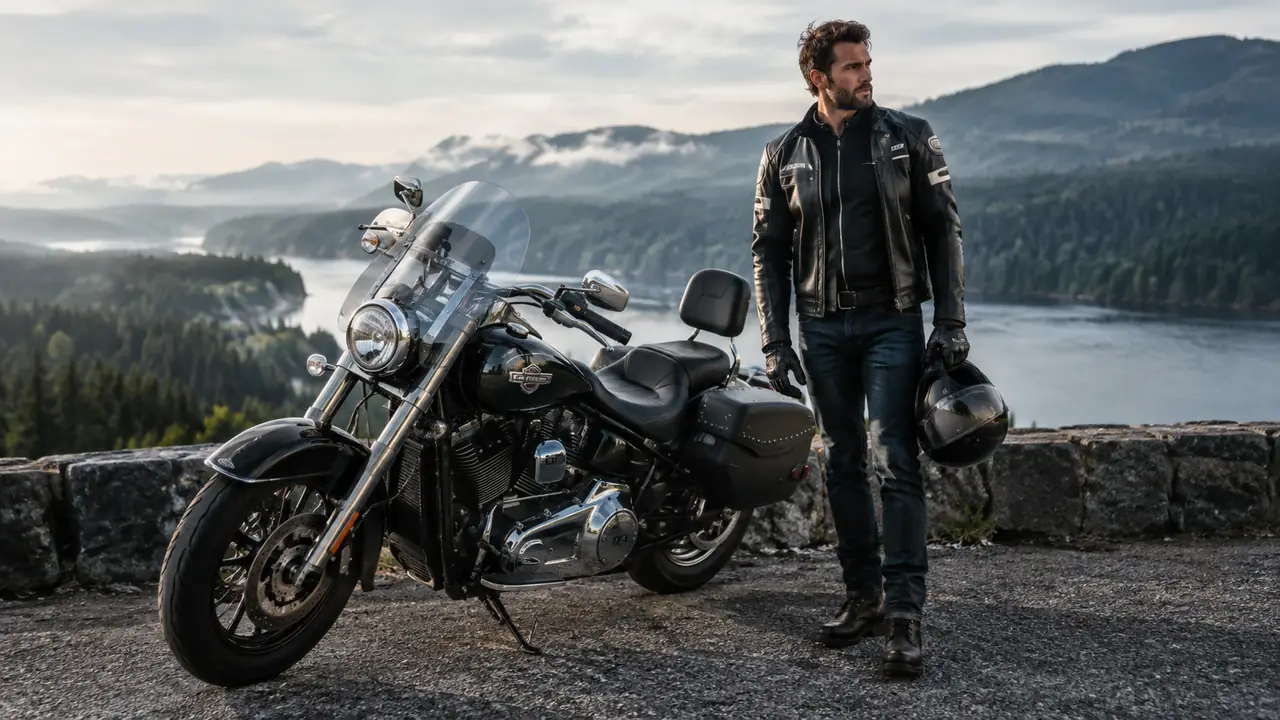
If you're trying to decide between a pair of Harley-Davidson Altman boots and a pair of motorcycle riding shoes, you're asking a question I asked myself a couple of years ago. I've been riding my Road King for about nine years now, mostly weekend and evening runs around Puget Sound, and I've bought enough gear that didn't work to know that the right answer depends on how you actually ride. I tried regular work boots first, and they weren't waterproof. I tried sneakers too, and they offered no protection at all. Neither worked, which is why I ended up comparing purpose-built options in the first place.
Here's the short answer. The Altman boots win on protection and weather. They've got a composite toe, a waterproof membrane, and a shaft that covers your ankle, which are the three things I want most when I'm riding in the Pacific Northwest. Riding shoes win on comfort once you're off the bike. They're lighter, the soles are flexible, and they feel like sneakers when you're walking around. If you ride in the rain, ride in the cold, or put real miles on your gear, the boots are the better choice. If your rides are short, warm, and end with a lot of walking, a good pair of riding shoes makes more sense.
Here's how the two stack up side by side.
| Altman Boots | Riding Shoes | |
|---|---|---|
| Ankle coverage | Tall shaft wraps the ankle with a padded collar | Low cut, stops right at the ankle bone |
| Waterproofing | Waterproof membrane with sealed seams | Most riding shoes are not waterproof |
| Toe protection | Composite toe takes a hit without the cold | Reinforced toe box, lighter but less rigid |
| Off-bike comfort | Stiff sole that needs a break-in period | Flexible sole, comfortable all day |
| Weight | Heavier, you notice it on a long walk | Light enough to forget you're wearing them |
| Shifter feel | Solid and predictable once broken in | Thin sole lets you feel the lever precisely |
| Style | Work-boot look that suits riding gear | Sneaker look that blends in anywhere |
| Best for | Cruiser and touring riders in wet or cold weather | Short rides, warm days, lots of walking once parked |
How I Compared Them
I didn't test these in a lab. I wore them the way you would, on the bike, in the rain, and off the bike, walking around. For the Harley-Davidson Altman boots, that meant a couple of months of weekend rides around the Puget Sound area, one longer summer trip, and more than a few Saturday mornings refereeing youth soccer with wet grass underfoot. I wore them to the gas station, into the grocery store, and around the parking lot at bike night. I also wore a pair of riding shoes through the same routine so the comparison was fair.
The things I paid attention to were the ones that actually matter on a ride. Did my feet stay dry? Did my ankles feel protected? How easy was it to shift? How did my feet feel at the end of a day that involved both riding and walking? I also paid attention to the small stuff, like how easy the boots were to get on and off, and whether the waterproofing held up after months of use. That's the kind of testing that tells you what a piece of gear is really worth.
One thing I want to be clear about: I didn't wear both on the same day and try to split the difference. I wore the boots until they were fully broken in, then I wore the shoes, then I went back to the boots when the weather turned. That gave me a sense of how each one performs when it's your only pair, which is how most riders actually use them.
Where the Altman Boots Win
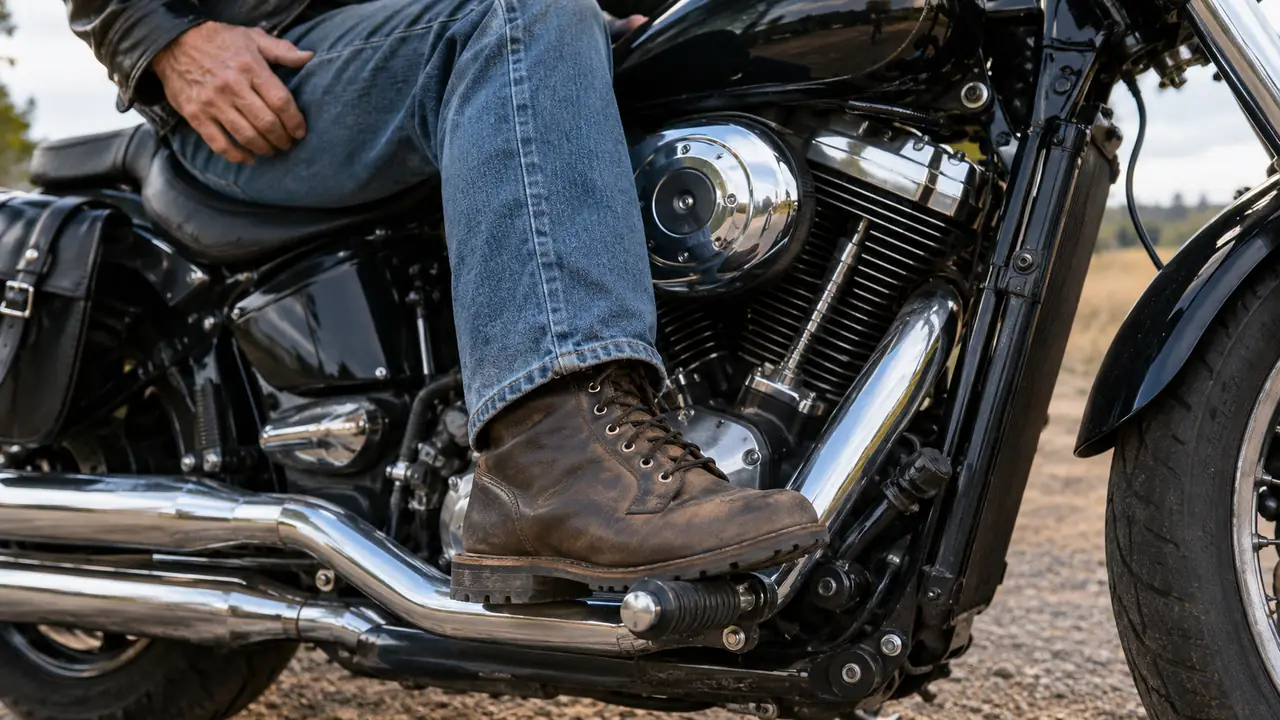
The Altman boots win on the two things I care about most, protection and weather. The composite toe is the feature that gets the least attention but matters the most. A dropped bike, a low-side slide, or even a heavy bag swinging into your foot, that toe cap is the difference between a bruise and a broken bone. I haven't crashed in these boots, thank goodness, but I've had a bike tip over on me once, years ago, and I remember exactly how much my foot hurt in a regular pair of boots. I don't want to test the difference again.
The waterproofing is the other big win, and it's the one that matters most in the Pacific Northwest. The Harley-Davidson Altman boots have a waterproof membrane and sealed seams, and they've kept my feet dry through wet Saturday mornings, cold evening rides, and the kind of drizzle that never quite becomes rain but soaks everything anyway. The taller shaft matters too. It keeps water from running down into the boot, which is something a low-cut shoe simply cannot do. The ankle coverage deserves its own mention. A riding shoe stops right at the ankle bone, and that's fine until you need to put a foot down in a hurry. The boot's shaft wraps the ankle, and the padded collar adds a layer of cushioning that shoes just don't have. For a rider like me, who is on the bike most weekends and takes one longer trip every summer, that extra coverage is worth the trade-off in weight.
Where Riding Shoes Win
I'll be honest about the other side, because it's a real side. Riding shoes are dramatically more comfortable off the bike. The Altman boots are stiff when they're new, and they stay fairly stiff even after a break-in period. That's good for support, but it's not great for walking around a rally, a farmers market, or a parking lot full of bikes. Riding shoes feel like sneakers. You can wear them for hours of walking and forget you have them on. They're also lighter, and you feel that difference when you're walking up stairs or standing in line. If your ride ends with a lot of standing and walking, that comfort is hard to argue with.
Riding shoes also look like normal shoes, so you can wear them into a restaurant without looking like you just came off a jobsite. On a hot summer day, a low-cut shoe lets your feet breathe in a way a tall boot never will. And shifting is worth a mention, because it's not as one-sided as you might think. The thin sole of a riding shoe gives you a direct feel for the shifter lever, which some riders prefer. The stiffer sole of the Altman boots gives a solid, predictable feel once you're used to it. I wouldn't call either one better. It comes down to personal preference, and both work fine in practice.
What I'd Change About the Altman Boots
No piece of gear is perfect, and the Altman boots have their downsides. The break-in period is real. They were stiff out of the box, and it took a couple of weeks of regular wear before they felt comfortable. If you buy them and immediately take a long trip, your feet will let you know about it. My advice is to wear them around the house and on short rides for a week or two before you depend on them for a full day.
The weight and the warmth are the other two things I'd mention. These are not light boots, and they run warm in the summer. On a hot July afternoon, I reach for something lighter. The boots are also more noticeable when you're walking, which is the trade-off for all that protection. None of these are deal-breakers for me, because I ride in weather more than I ride in heat, but they're worth knowing before you buy.
How They've Held Up
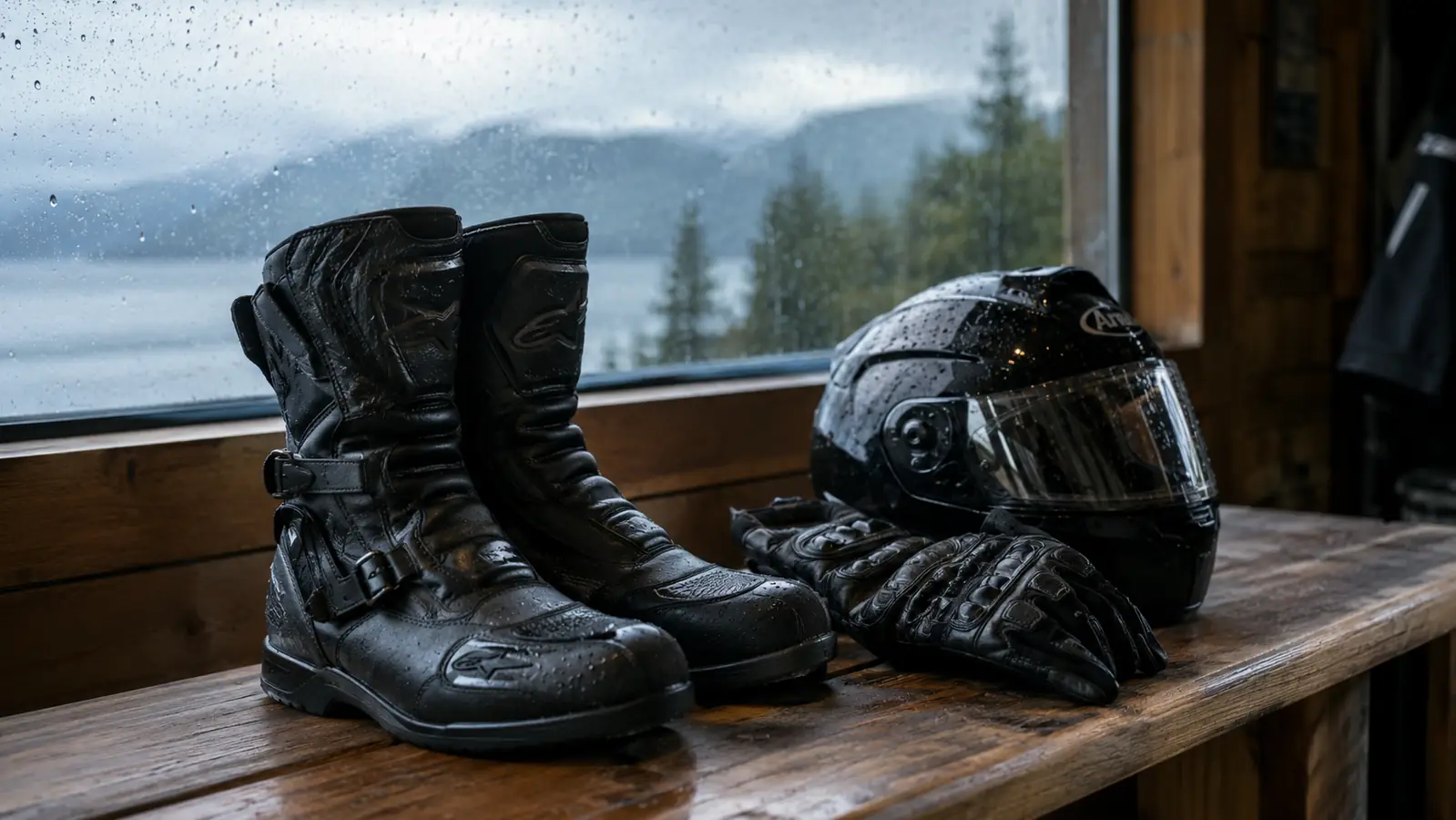
I've had my pair for two seasons now, and they've held up well. The waterproofing still works, which is the thing I was most worried about. The seams look good, the sole shows normal wear, and the boots still hold their shape. I've put them through wet grass, gravel parking lots, and more than a few gas station stops, and they clean up easily. Overall, I'd call that a solid return.
The grip has been solid too. The soles have done well on wet pavement, gravel, and the metal grates you find at old gas stations. I've never had a foot slip when I've put it down at a stop, which is exactly when you don't want to be thinking about your boots. That's the kind of thing you only notice when it's missing, and I've never once wished for more traction.
Two seasons of Saturday-morning rides in the rain, and my feet have stayed dry every single time.
Get the ankle protection and waterproofing that riding shoes can't match.
The Harley-Davidson Altman boots are built for riders who ride in real weather. Composite toe, waterproof membrane, and a shaft that covers your ankle. See today's price and read the owner reviews.
Amazon Check Today's Price on Amazon →Who Should Buy Which
Buy the Harley-Davidson Altman boots if you ride a cruiser or a touring bike, if you ride in weather, or if you put real miles on your gear. They give you protection and waterproofing that a low-cut shoe simply doesn't have, and they're built to last. I've worn mine for two seasons now, and they've held up through rain, cold mornings, and plenty of walking around at gas stops and bike nights.
Buy riding shoes if your riding is mostly short hops and warm-weather rides, or if you spend more time off the bike than on it. Your feet will thank you on the days you walk a lot. Just know what you're giving up: ankle coverage, waterproofing, and a stiffer protective shell. There's no wrong answer here, only the answer that fits the way you actually ride.
For me, the boots are the everyday pair. They handle the Pacific Northwest weather that shoes can't, and the protection gives me peace of mind on longer trips with my wife Deb on the back. I keep a lighter pair of shoes for the hottest summer days, but the Altman boots are what I reach for most of the year. If your riding looks anything like mine, I think you'll do the same.
One more thing. Whatever you choose, make sure it fits properly and you've broken it in before you depend on it. A stiff boot that's a half size too small will ruin a trip, and a loose shoe can be just as dangerous. Take the time to get the fit right, and either option will serve you well for years.
The Case for Owning Both
You don't have to pick one forever. A lot of riders, including me, end up with both, the boots for the cold and wet months and a lighter pair of shoes for summer. The boots handle the conditions that are hard to predict, and the shoes handle the days when you know it's going to be dry and warm. Owning both means you're never stuck wishing you had the other pair.
If you can only afford one, the boots are the safer choice because they cover more conditions. They work in the rain, in the cold, and on warm days too, even if they run a little warm in the heat. If you can stretch to two pairs, you'll have the right tool for every ride. That's the setup I've landed on, and it's been the most practical solution for the way I ride.
The Bottom Line
Here's where I land after two seasons with the Altman boots and a lot of miles in riding shoes. If you ride in weather, ride a cruiser or touring bike, or want real protection without thinking about it, get the boots. If you mostly ride dry, warm days and walk a lot once you park, get the shoes. And if you can manage it, own both. That's not a cop-out, it's what actually works for riders who ride year-round.
Ready to put real protection between your feet and the road?
The Harley-Davidson Altman boots give you the waterproofing, ankle coverage, and composite toe that make them the right call for cruiser and touring riders. Check today's price on Amazon and see what other owners have to say before you decide.
Amazon Check Today's Price on Amazon →