
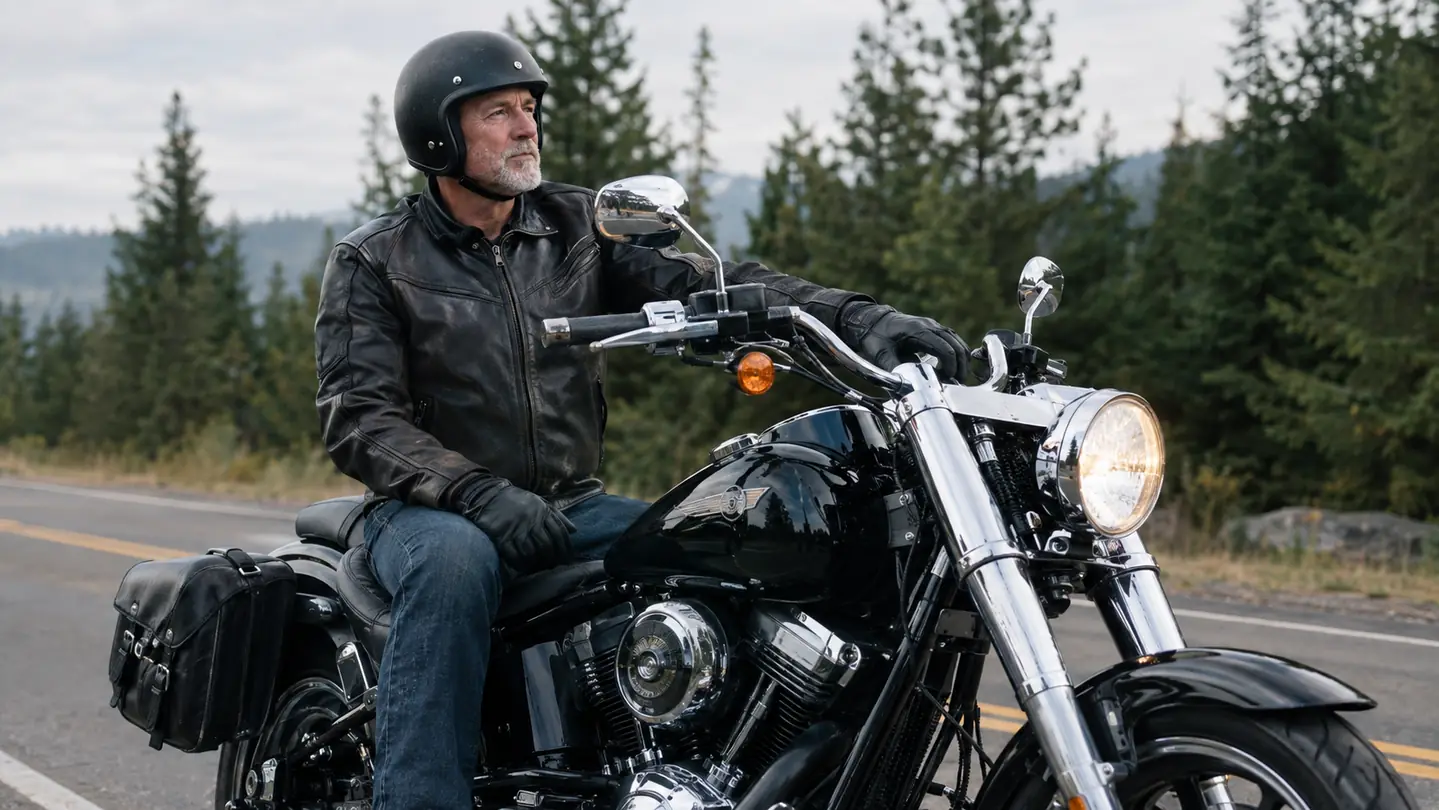
I bought these Milwaukee Leather Cruising Gloves back in April, right before the riding season really opened up here in the Pacific Northwest. I had gone through two pairs of cheap gloves the year before, one where the seam split at the thumb, and one where the padding went flat after about three weeks. I wanted a pair that would actually hold up on the Road King, and I wanted it to be a pair I could wear all day without thinking about. Nine months later, I still have the same pair, and I have put enough miles on them that I can tell you exactly how they behave.
If you ride a cruiser or a touring bike, you know the drill. You want something that blocks the wind on a cold morning, gives your hands something to grip on a long slab run, and still lets you work the controls without feeling like you are wearing oven mitts. Milwaukee Leather has been making this exact style of glove for years, and they are popular for a reason. But popular does not mean perfect. Here is the honest, long-term picture after months of highway miles, cold mornings, rain, and one very long summer trip down the coast.
The Quick Verdict
A comfortable, well-built leather glove with gel palm that genuinely helps on long rides. It is not waterproof, it runs warm in summer, and the sizing runs a touch small, but for the price it beats anything else I have found for everyday cruiser duty.
Amazon Check Today's Price →Tired of Gloves That Fall Apart by August?
I have put months of highway miles on this pair and they are still going strong. If you want a glove that holds up and stays comfortable on long rides, this is the one I keep reaching for.
Amazon Check Today's Price on Amazon →How I've Used It
I am Walt Brenner, 58 years old, retired utility lineman, and I live outside Tacoma, Washington. My bike is a Harley-Davidson Road King, black, and I have been riding it for about nine years. Most of my riding is weekend and evening stuff around the Puget Sound area, plus one longer summer trip every year. I also referee youth soccer on Saturday mornings, so I ride to games and back pretty often. My wife Deb rides on the back sometimes, which means I am doing a lot of slow-speed work in parking lots and neighborhood streets, not just open highway.
I wore these gloves on almost every ride from April through December. That included a 900-mile round trip down the Oregon coast in July, a bunch of cold 6:30 a.m. runs to soccer fields, one heavy rain ride I would rather forget, and plenty of evenings where I just wanted to go get gas and ended up riding for two hours. The gloves also got regular use around the garage, moving the bike in and out of the driveway, and I wore them on a few drives in the truck just to see how they felt on a steering wheel. That is the kind of testing I trust: not a weekend in the showroom, but a whole season of real use.
For the record, I washed them once in lukewarm water with a bit of saddle soap, let them air dry slowly, and conditioned the leather twice. That is it. I did not baby them, and I did not treat them like work gloves, but I did not abuse them either. I think that is a fair reflection of how most riders actually treat their gear.
The Leather and the Build Quality
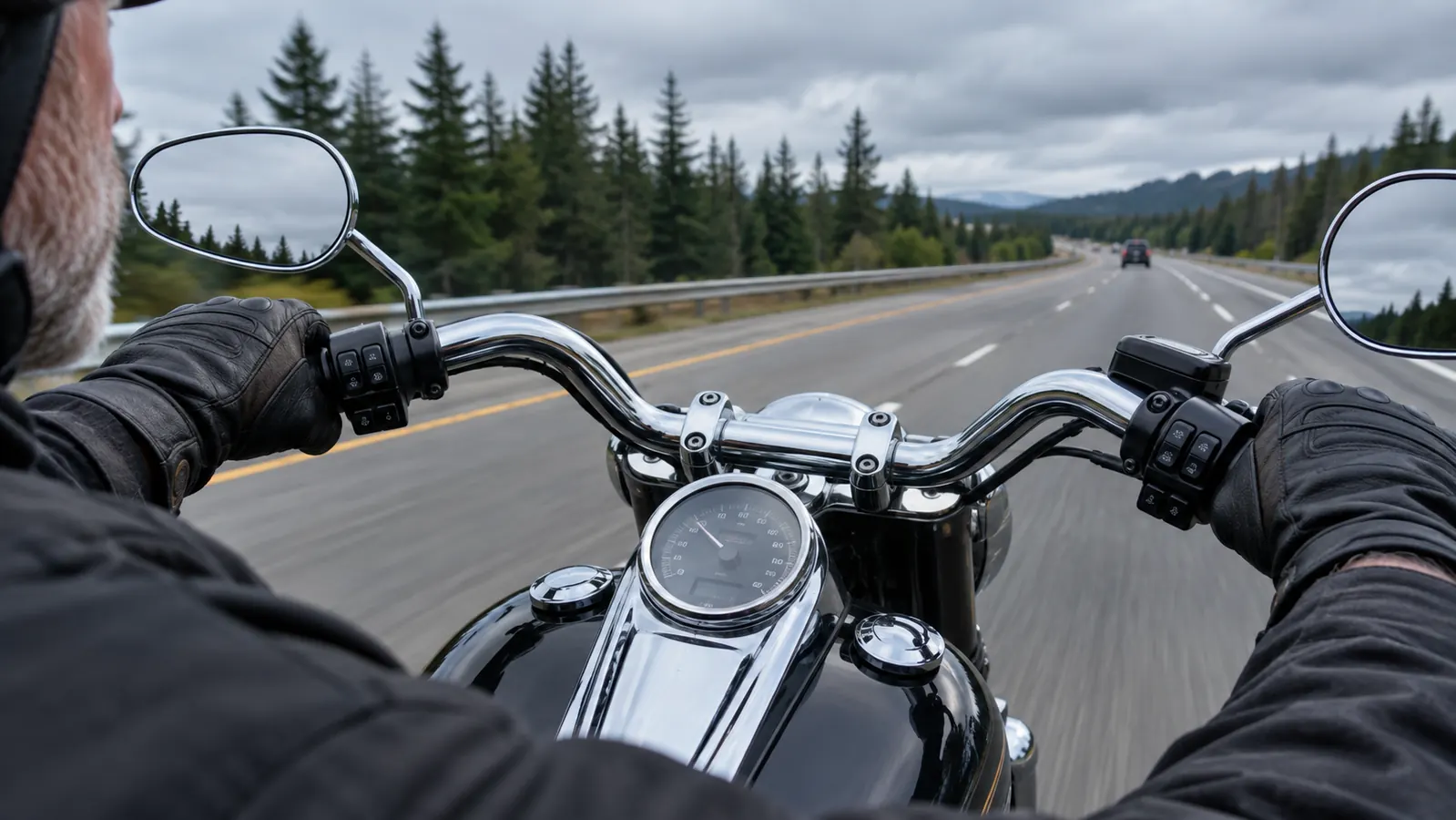
The first thing you notice when you pull these on is that the leather is real. Not that bonded stuff that peels, not the thin synthetic that stretches out and goes baggy. It is a genuine cowhide that starts a little stiff and breaks in over the first week or two of riding. The pre-curved fingers help a lot here. I have had gloves that fight you every time you grip the bars, and these are not those. After the break-in, they feel like they were made for my hands.
The stitching has held up better than I expected. I checked the seams after the Oregon trip because that is where cheap gloves always fail, and there was no loose thread, no separation at the thumb, nothing. The cuff is a simple pull-on style with a small elastic band, not a big gauntlet, which means it fits under a jacket sleeve easily. Some riders want a long gauntlet for winter, and this is not that. This is a clean, low-profile glove that does the job without a lot of extra material flapping around.
The gel palm is the feature that sets these apart from a plain leather glove. There is a smooth gel pad that runs from the base of the palm up toward the fingers, and it does exactly what it is supposed to do: it spreads the pressure out across your hand instead of concentrating it on the bony part of your palm. After two hours on the freeway, my hands feel the way they should feel after a long ride, not the way they feel after gripping a jackhammer. I have ridden with gloves that had no padding at all, and the difference is night and day.
Comfort and Feel on the Controls
For a glove with this much padding, the feel at the controls is surprisingly good. The leather is thick enough to block wind and protect your hands, but it is not so thick that you lose the ability to feel the grips, the turn signals, or the clutch lever. I can operate everything on the Road King without having to look down or wiggle my fingers out of position. That matters more than people think. A glove that makes you fumble with the controls is a safety issue, not just an annoyance.
The gel palm does change the feel a little when you first switch to these gloves. You will notice a slightly different texture under your palm, and it takes a couple of rides to get used to it. Once you do, you stop noticing it entirely. I would not recommend these for someone who wants maximum feedback from the front end, like a sport rider hanging off the bike at a track day. But for a cruiser, a touring bike, or a commuter who just wants to arrive without numb hands, they are close to ideal.
The fit is worth talking about honestly. Milwaukee Leather sizing runs a little small, at least compared to the gloves I have worn for years. I normally wear a large in most brands, and I needed an XL in these. If you are between sizes, I would size up rather than down. A glove that is too tight will make your hands cramp on a long ride, and a glove that is too loose will fold up in the palm and give you blisters. These are not the kind of glove you can try on at a store, so order accordingly and be ready to exchange if you need to.
Cold Mornings, Rain, and Everything In Between
Let me be direct about the biggest limitation: these gloves are not waterproof. The leather will soak through in a steady rain, and once they are wet, they take a long time to dry. I got caught in a heavy shower on the way back from a soccer game in October, and my hands were wet and cold by the time I got home. The leather survived fine, and the gloves still look good after drying out, but if you ride in the rain a lot, you want a waterproof shell over these or a dedicated rain glove. That is just the truth.
What they do well is block the wind. On a 45-degree morning, with these on, my hands stayed comfortable for the first hour of riding, which is about all you can ask from a non-insulated leather glove. The leather is thick enough that you do not feel the breeze cutting through the way you do with a thin summer glove. When the temperature drops into the 30s, you will want heated grips or a set of insulated liners underneath. I have both, and I use them on the coldest days.
In warm weather, they run a little warm. That is the tradeoff for having a real leather glove with padding. On a 75-degree afternoon in July, my hands got sweaty on the highway, and by the time I stopped for gas they were damp. It is not unbearable, and I would still take these over a thin mesh glove that feels like it is going to rip in a fall, but I will not pretend they are a summer glove. They are a three-season glove, and in the Pacific Northwest that is exactly what I need.
After 900 miles down the Oregon coast and a full season of cold morning rides, the gel palm still has its shape and the stitching has not thrown a single thread. That is the honest measure of whether a glove holds up.

The Good, the Bad, and the Honest Tradeoffs
There is a reason these Milwaukee Leather gloves show up in so many cruiser rider conversations, and it is not just the price. They do the basic job so well that you stop thinking about your hands entirely, which is the highest compliment I can give any piece of riding gear. The gel palm genuinely reduces hand fatigue on long days, the leather has real thickness and durability, and the clean look works with a leather jacket, a textile jacket, or just a hoodie on a warm evening.
The downsides are real but manageable. They are not waterproof, so a rain rider needs a backup plan. They run warm in summer. The sizing is a little small, so you need to order carefully. And there is no armor, no knuckle protection, nothing like that. These are not a race glove and they are not a winter glove. They are a straightforward, comfortable, well-made cruiser glove for riders who spend most of their time on paved roads and want their hands to feel good at the end of the day.
What I Liked
- Genuine leather that breaks in beautifully and holds its shape
- Gel palm genuinely reduces pressure and hand fatigue on long rides
- Good wind protection for cold mornings and shoulder-season riding
- Clean, low-profile look that fits under a jacket cuff
- Solid stitching and construction that has lasted a full season
Where It Falls Short
- Not waterproof, and leather takes a long time to dry once soaked
- Runs warm in summer, not ideal for hot weather
- Sizing runs small, order a size up
- No knuckle armor or extra protection for serious crashes
Alternatives I Considered
I have owned a lot of gloves over the years, and I compared these against three other options in my head before I settled on the Milwaukee Leather pair. The first was a plain deerskin glove, which is softer and more comfortable right out of the box, but it does not have the gel palm and it wears out faster. The second was a padded sport glove with hard knuckle armor, which offers more protection but feels bulky on a cruiser and looks out of place on a Road King. The third was a heated glove, which is fantastic in the winter but expensive and a hassle when you just want to hop on the bike and go.
For the kind of riding I do, the Milwaukee Leather gloves hit the sweet spot. They give me enough protection for the road, enough comfort for a 400-mile day, and enough style to look right on the bike. If you need hard armor, buy something with knuckle protection. If you ride in the rain every day, buy a waterproof glove. But if you want one good pair that handles most of what a normal riding season throws at you, this is the pair.
Who This Is For
These gloves are for the rider who wants one dependable pair for the whole season. If you ride a cruiser, a standard, or a touring bike, if you do a mix of highway and back roads, if you ride in the morning and evening when the temperature is cool, and if you hate the feeling of your hands going numb after an hour on the freeway, these are worth a serious look. They are also great for riders who wear their gloves off the bike, because the clean styling does not look like you just stepped off a race track.
I would also recommend them to newer riders who are building up their gear collection on a budget. A good pair of leather gloves is one of the first things you should buy after the helmet, and these give you a lot of glove for the money. You are not paying for a brand name, you are paying for real leather and a gel palm that does what it promises.
Who Should Skip It
If you ride in the rain on a regular basis, skip these and buy a dedicated waterproof glove. I love these gloves, but I would not want to rely on them in a downpour. If you live somewhere that hits 90 degrees for half the year, these will feel too warm on summer rides, and you might be better served by a perforated or mesh glove for those months. And if you are doing serious off-road riding or track days, you need something with hard armor and a different level of protection.
Also, if you have very large hands or you are at the very top of the size chart, measure carefully before you order. The sizing runs small, and a glove that is too tight is worse than no glove at all because it cuts off circulation and makes your hands cramp. That is the one piece of advice I would give any rider considering these: take the sizing seriously, size up if you are between sizes, and give them a couple of rides to break in before you judge them.
Ready for a Glove That Lasts the Whole Season?
After months of highway miles, cold mornings, and one long coastal trip, these are still the gloves I reach for first. Check today's price and see if they fit your riding style.
Amazon Check Today's Price on Amazon →