
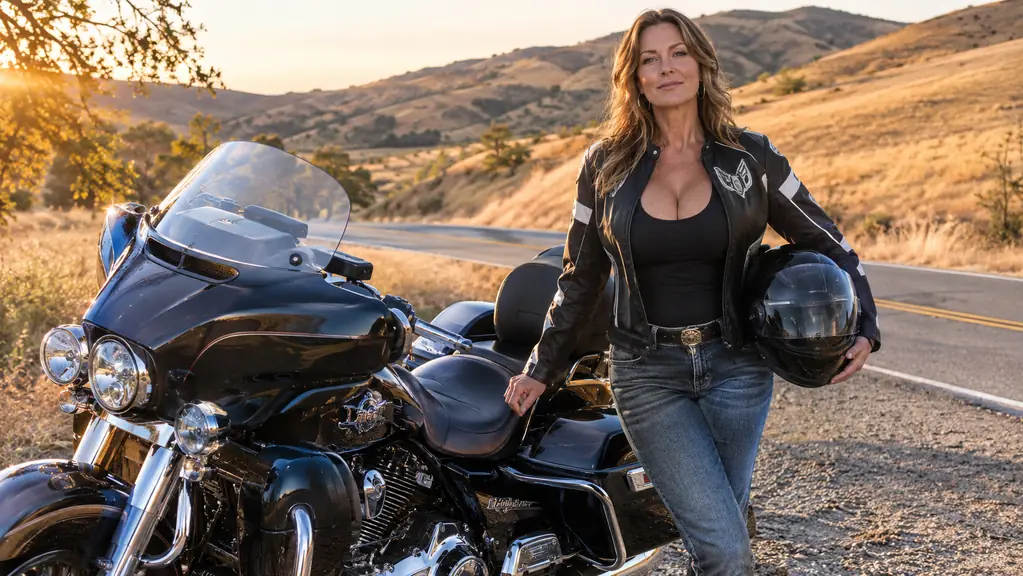
I have made the same mistake three summers running, and I finally stopped. The mistake is leaving the house on a hot Sunday morning in whatever is coolest, because the road out to the foothills is twenty easy minutes and a jacket feels like overkill. It is not overkill. The pavement does not care that it is 96 degrees, and neither does a driver backing out of a driveway without looking. I ride a Gold Wing Tour now and I wear a jacket on every ride, including the short ones.
So the only real question is which jacket. Most warm-weather advice online is written by people riding where summer means 78 degrees and low humidity. That is not Riverside County. What I need is something that blocks wind and abrasion, carries real armor, and does not turn into a plastic bag by the first stop sign. The jacket I settled on is the BORLEN motorcycle jacket, and the road I took to get there is close to the checklist I would hand any rider standing in a shop trying to make the same call.
The Jacket I Ride In When It Is 96 Out
Four removable CE protectors across the shoulders and elbows, a back pad, 600 denier polyester, and cuffs, collar and hem you can adjust at a stop. Read the current reviews and see today's price.
Amazon Check Today's Price on Amazon →Step 1: Decide What the Jacket Is Actually For
Before you compare fabric weights or armor ratings, be honest about the riding you actually do. A jacket for a twenty-minute commute at seven in the morning is a different piece of equipment than a jacket for a six-hour day that starts at 62 degrees and ends at 101. Mine is the second kind. Once I admitted that, half the jackets in the catalog ruled themselves out, and the shopping got much easier.
The Gold Wing makes this harder rather than easier. I have a windshield and a fairing, so I am not taking the full wind blast a cruiser rider takes, and that sounds like a reason to wear less. It is the opposite. Heat builds up behind that bubble, and a jacket that moves air beautifully in the open can still cook you when the wind is being pushed over your head instead of through your sleeves.
So write down three things before you shop. How long is a typical ride. What is the temperature at the start and at the end, not the average. And are you mostly moving or mostly sitting in traffic. Buy for the worst of those three, because the jacket that is perfect at 75 degrees is the one you leave hanging in the garage on the day it matters.
Two summers ago I did that math on paper, which sounds fussy until you see the numbers. My usual Sunday loop leaves the house at 7:40 in the morning at 68 degrees, climbs through the foothills, and drops onto the desert floor by 10:15, where the bank sign on the corner read 94 the last time I bothered to look at it. That is a 26 degree swing inside three hours. No single garment is perfect across that range, which is exactly why the answer is a jacket you can open up, cinch down, and layer under, not one magic jacket.
Step 2: Put Armor Ahead of Everything Else
Armor is the reason to wear the jacket at all. Everything else, the fabric, the fit, the pockets, is comfort. If a jacket does not have protection in it, you are wearing a windbreaker with a motorcycle logo stitched on the chest, and it will do about as much for you in a slide as a good attitude will.
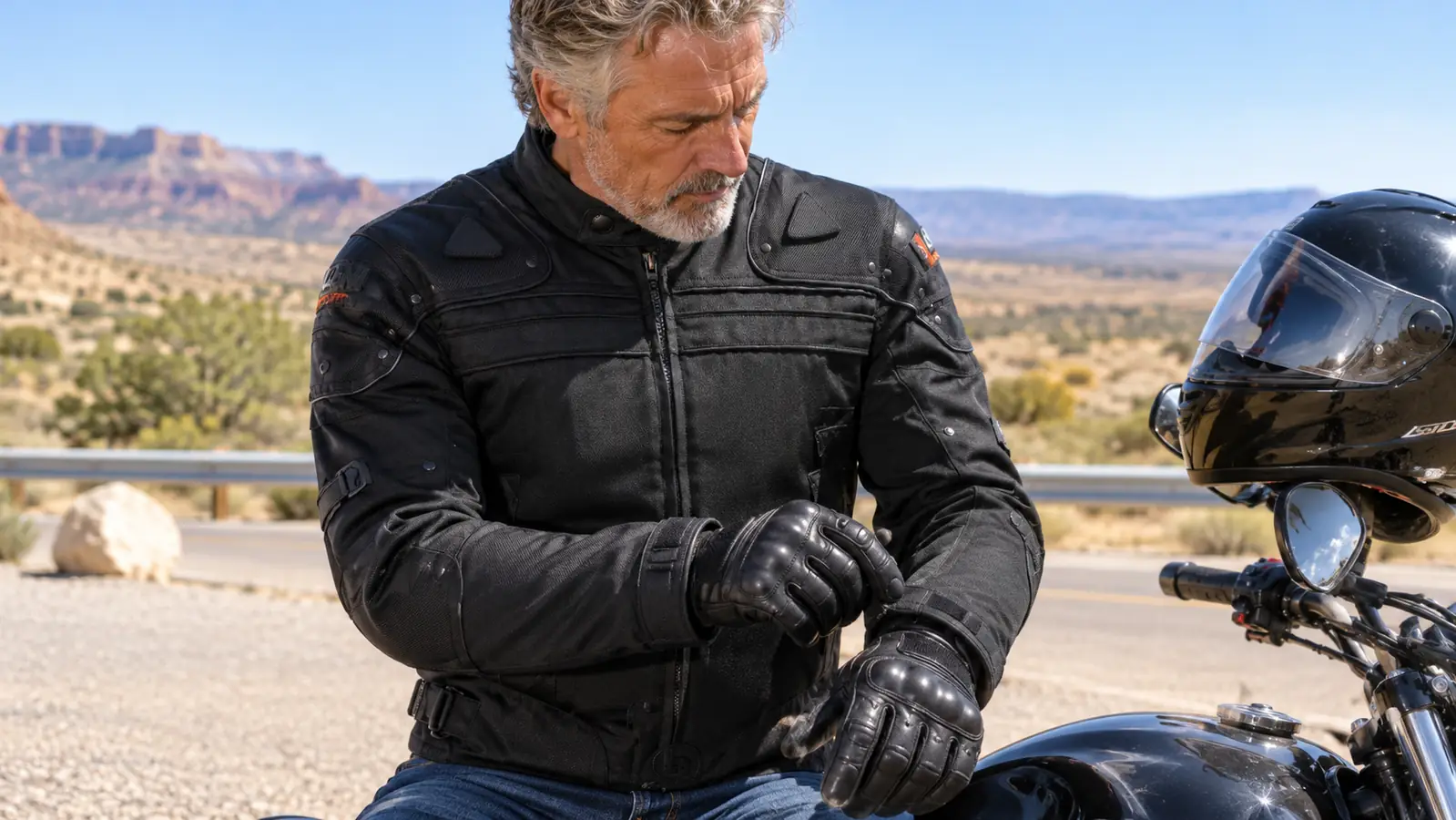
At minimum you want certified protectors at the shoulders and elbows, and something at the back. The BORLEN jacket ships with four removable CE protectors split across the shoulders and elbows and a removable EVA pad at the back, and the jacket itself is certified to EN 17092. That standard is worth knowing about, because it rates the whole garment for abrasion and tear resistance, not just the pieces floating inside it.
The word removable matters more than people expect. I take the pads out to wash the jacket and put them back in, and once a season I check where they sit. A shoulder pad that has rotated an inch out of place is not protecting your shoulder anymore. When you try a jacket on, bend your arms and reach for the bars and see whether the armor stays put or slides off the point of the elbow.
I learned about the back pad the hard way, or close to it. The first jacket I owned had shoulder and elbow armor and nothing behind it, and I did not think twice about that for years. Then a friend of Ray's went down at what he described as parking lot speed and came away with a bruise across his spine the size of a dinner plate. Slow is not the same as gentle. A back pad is not an upgrade in my book. It is part of the minimum, and I would rather carry it for years and never test it.
Step 3: Understand What the Fabric Costs You in Heat
Fabric is where warm-weather riding gets honest with you. There is no material that is both highly abrasion resistant and cool in still air, because the tight weave that resists pavement also resists airflow. Anybody telling you otherwise is selling something, and usually selling mesh.
The BORLEN jacket is 600 denier polyester, which is a real weight for a riding jacket, and it is built windproof and waterproof. Waterproof is the part people forget to think through. For water to stay out, air has a harder time getting in. I do not pretend this is a summer mesh jacket. It is an all-season jacket that I can wear in heat if I plan around the heat instead of fighting it.
The first hot-weather jacket I bought was mesh, and I loved it for about two weeks. It was wonderful at a stoplight. Then I wore it on a cool morning in April and could feel every bit of wind coming through it, which told me plainly how much it would do for me in a slide, which is not much. I kept it for the worst week of August and bought something with substance for everything else. Two jackets cost less than one emergency room visit, and the heavier one lasts longer because you are not wearing it out in weather it was never built for.
So I plan. I start early. I keep the layer underneath down to almost nothing, just a thin shirt. I take the breaks I would otherwise skip. On the days when it is over 100 by ten in the morning, no jacket solves that, and the honest answer is to shorten the route rather than ride unprotected. If you want mesh, buy mesh and accept that it gives up abrasion resistance to get there. That is a different jacket for a different day, and owning both is not a failure.
A jacket that moves air beautifully in the open can still cook you when the windshield is pushing the wind over your head instead of through your sleeves.
Step 4: Get the Fit Right on the Bike, Not in the Mirror
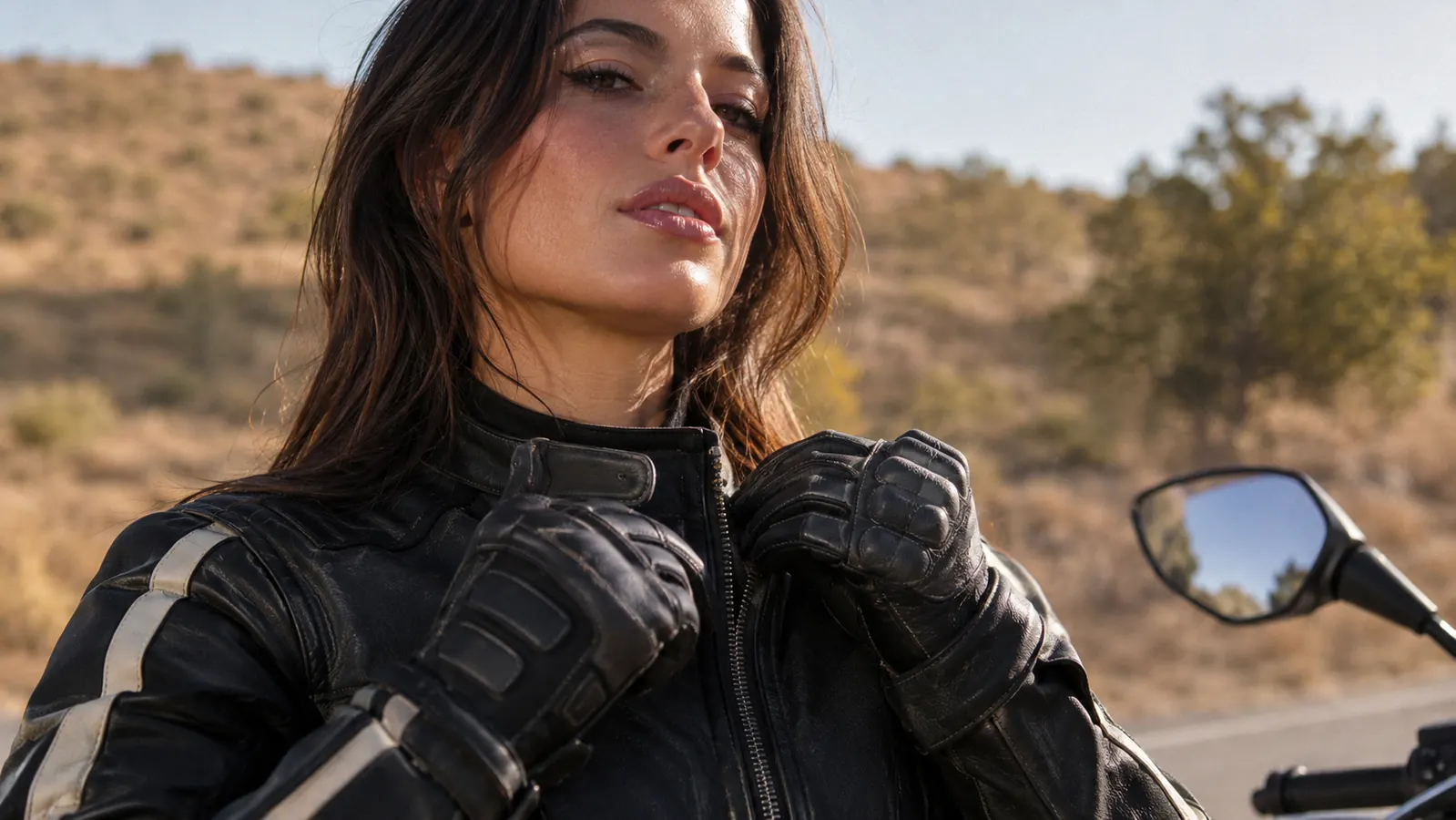
Fit on a riding jacket is nothing like fit on a regular jacket. You are not standing in it, you are folded into it, and the fabric has to stay where you put it while your arms are stretched out in front of you for hours. A jacket that looks sharp in the mirror and pulls across the shoulders at the bars is the wrong jacket.
The BORLEN jacket is sold as a men's jacket and I am not built like the rider in the listing photos. I wear a men's small with a thin layer under it, and it works. The regular fit leaves me room to sit without the shoulders binding, and it does not balloon or flap once I am up to speed. If you are between sizes, sit down with your arms out before you decide. A kitchen chair will do it.
Then use the adjustments that are already there. The cuffs, the collar and the hem all adjust, and on a hot afternoon the difference between a cuff cinched down tight and a cuff left a little loose is the difference between a long ride and a short one. Set them before you pull out. You will not want to be fiddling with your sleeve at sixty miles an hour.
Step 5: Check the Details You Will Notice at 70 Miles
Small annoyances get loud at speed. A collar that flaps, a zipper that catches, a pocket that will not stay shut, none of that matters in the driveway and all of it matters by the second hour. This is why I stopped buying riding gear online in a hurry.
Two details I check every time now. The first is the collar. A band collar that fits right keeps wind from running down your neck without feeling like a hand around your throat, and the adjustable collar on this jacket is what lets it work on a cool morning and a hot afternoon of the same ride. The second is storage. This jacket has two pockets. Two is not many, so my phone and my wallet go in them and everything else lives in the tank bag or stays home.
The zipper is the third thing, and I only started paying attention to it after a cheap jacket of mine jammed at the collar at a gas pump in Indio. I stood there in the heat for ten minutes working the pull back and forth with a thumbnail before it let go. Now I run the zipper up and down a couple of times in the house before any trip, just to make sure nothing has found its way into the teeth. The closure on this jacket is a full zipper, and that two-minute check in the kitchen has saved me from repeating the Indio performance.
The last thing is what happens when you get off the bike. A jacket built this substantially does not pack down small, and that is a real consideration if you are riding somewhere you plan to walk around for a few hours. On those days I either accept carrying it or I plan the stop somewhere I can leave it. Think about that before you buy, not after.
What Else Helps
Gear is only part of the answer, and I would be doing you a disservice to pretend otherwise. Water matters more than most riders admit. I carry it and I drink it before I am thirsty, because by the time you feel thirst you are already behind and the next twenty miles are going to be worse than they needed to be. On desert roads I also carry a thin neck gaiter I can wet down and wear under the collar. It buys an hour of comfort for almost no weight.
Route planning is the other half. Riding east into the desert at four in the afternoon is a choice, and it is a poor one. I plan around elevation and ridgelines and I plan around the hottest two hours of the day, and the same jacket that feels heavy at noon feels completely reasonable at nine in the morning. A twenty-minute earlier start is worth more than any single feature on any jacket.
And tell someone where you are going. On the roads I ride, cell coverage is a rumor, and a text to a friend before you leave is not paranoia, it is just good manners toward the people who would come looking. None of this is complicated. It is the stuff riders already know and sometimes skip because the day is short and the weather is finally nice.
Armor You Can Wear in the Heat
Four removable CE protectors, a back pad, EN 17092 certification, and cuffs, collar and hem you can adjust at a stop. If your Sunday ride starts cool and ends hot, this is the jacket I would point you toward.
Amazon Check Today's Price on Amazon →